


News update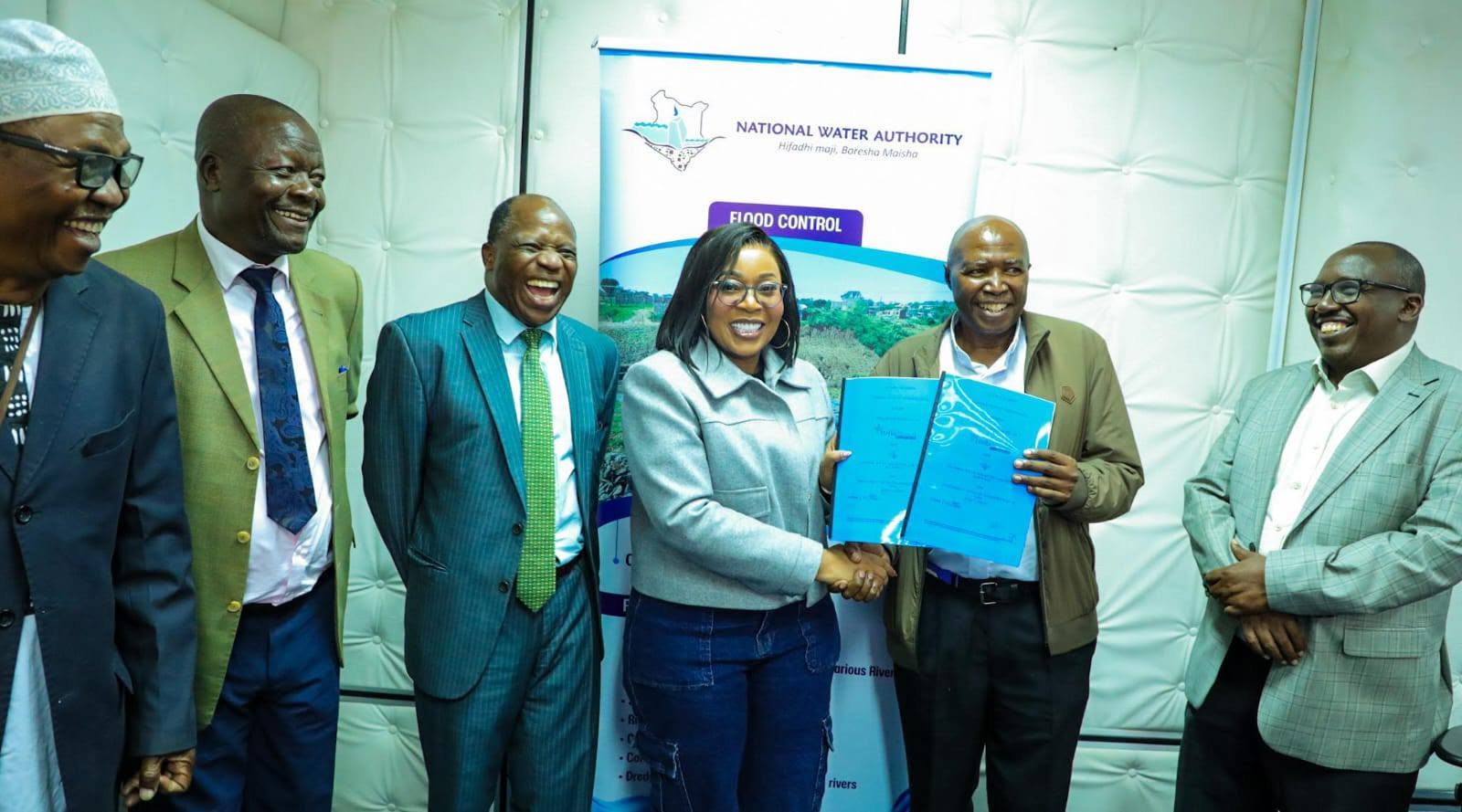



August 26, 2026CommunicationsThe National Water Harvesting and Storage Authority (NWHSA), the Tana River County Government and Stella Mundi Ltd have signed a Memorandum of Understanding (MoU) to establish a strategic partnership that will support the development of water infrastructure and the implementation of the proposed Lucerne Project in Tana River County.
The partnership marks a significant milestone in advancing climate-resilient agriculture and sustainable water resource development within the county. The flagship project is expected to promote commercial lucerne production, strengthen water security, enhance flood risk management, improve food and livestock feed security, create employment opportunities and drive socio-economic transformation for local communities.
Speaking during the signing ceremony, the Authority’s Chairperson Dr. Jane Mwikali, emphasized the importance of partnerships in unlocking Tana River County’s immense agricultural potential. She noted that the collaboration will help deliver sustainable water infrastructure while creating economic opportunities and improving livelihoods for residents.
Ag. Chief Executive Officer, Eng. Julius Mugun hailed the partnership as an opportunity to accelerate the livelihoods of residents in Tana River. He assured teams from the County and the rest of the partners of quality work from the Authority
“The National Water Harvesting and Storage Authority remains committed to delivering quality, sustainable and timely water harvesting and storage infrastructure that meets the needs of Kenyans while upholding the highest standards of professionalism, accountability and value for public resources,” Eng. Mugun.
Tana River County Governor H.E. Dhadho Godhana, who also attended the ceremony, described the Lucerne Project as a transformative investment and a key pillar in the county’s long-term development agenda. He reaffirmed the County Government’s commitment to working closely with partners to deliver projects that enhance climate resilience and foster inclusive economic growth.
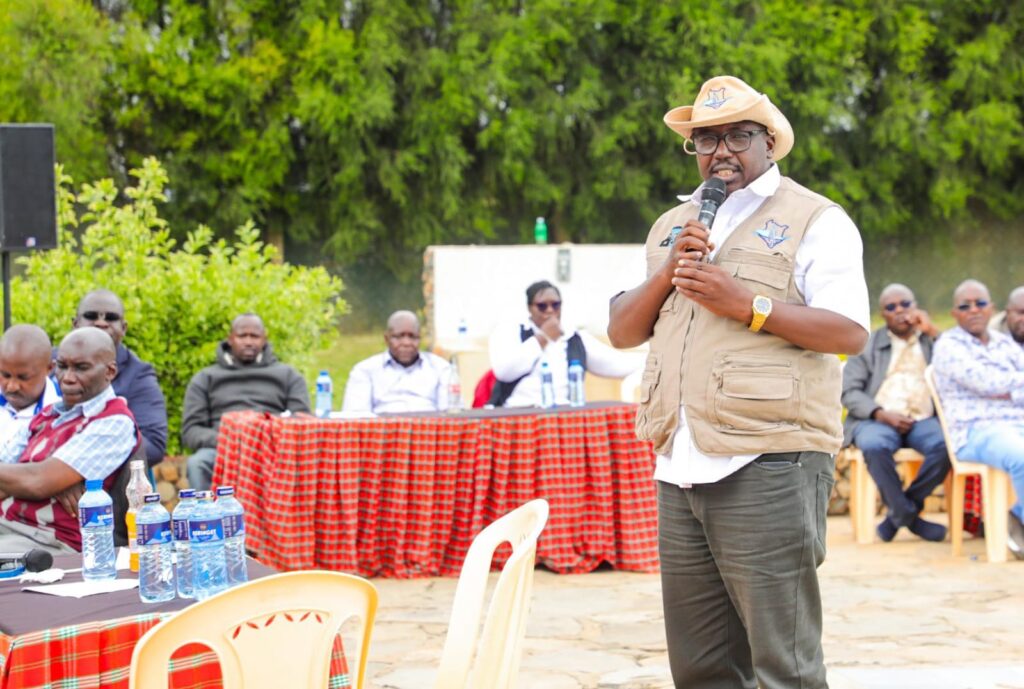
Following the signing of the MoU, technical teams from the Authority, the County and Stella Mundi Ltd conducted a joint site visit in Hola in Tana River County, to assess the proposed project area. The exercise aimed to verify the project footprint, evaluate environmental considerations and support planning for the implementation of the strategic agricultural and water infrastructure project.
The Authority’s team comprised of the Manager – Infrastructure Maintenance & Regional Coordination Eng. Fred Machine, Mr. George Nyabicha; Manager, Resource Mobilization and Business Development among other technical staff.
The Tana River County Government delegation was led by the County Executive Committee Member for Trade, Tourism and Industrialization, Hon. Ali Yahya Burrow, while Stella Mundi Ltd was represented by its Group Managing Director, Mayor Mangeya.
The joint assessment and partnership agreement demonstrate the commitment of the three institutions to delivering sustainable water infrastructure and agricultural investments that will improve livelihoods, strengthen climate resilience and unlock the economic potential of Tana River County. [...]
Read more...
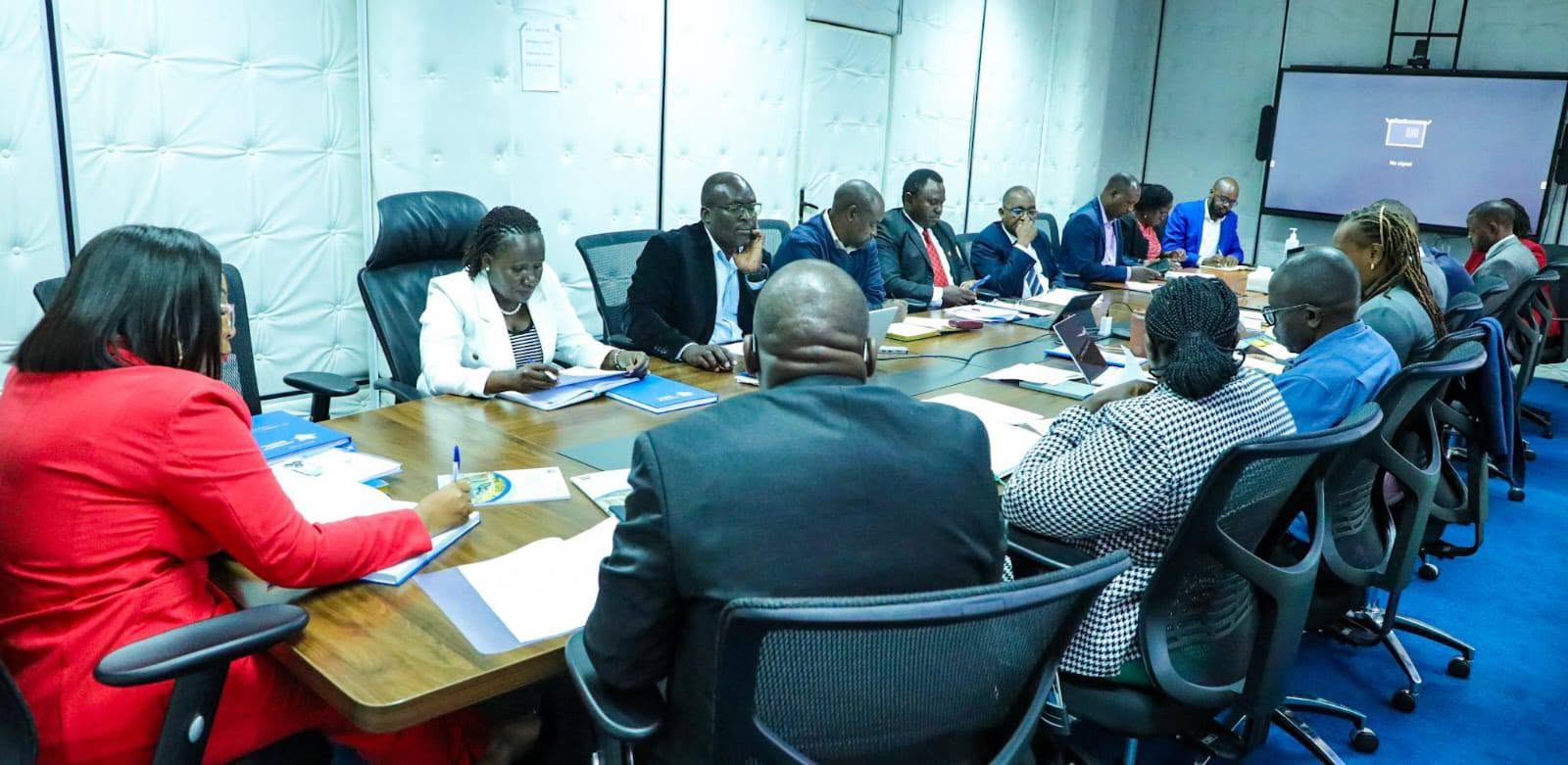
August 26, 2026CommunicationsThe Authority has undertaken Performance Contracting vetting for the Financial Year 2026/2027 in an exercise led by officials from the State Department for Water and Sanitation.
The exercise aims to ensure correct, clear, and measurable targets in line with the 23rd Cycle Performance Contracting Guidelines, the Authority’s mandate, and its Strategic Plan. It also provides an opportunity to align performance targets with the Government’s development agenda, strengthen accountability, and improve service delivery.
Authority Chairperson Dr. Jane Mwikali reaffirmed the Authority’s commitment to enhancing institutional performance, promoting good governance, and delivering impactful water harvesting and storage programmes that improve access to clean and safe water across Kenya.
Director Benjamin Mwololo, Chairman of the Board Strategy and Business Development Committee, emphasized the Authority’s focus on excellence, innovation, and results-driven performance in support of sustainable socio-economic development and national water security.
Ag. Chief Executive Officer Eng. Julius Mugun commended the team for improved performance scores in the previous financial year and encouraged them to achieve even better results during the 2026/2027 financial year. He highlighted priority projects including large, medium, and small dams, water pans, boreholes, and flood control initiatives.
Grace Kimitei, Director of Planning at the State Department for Water and Sanitation, noted that the 23rd Cycle Performance Contracting Guidelines provide the framework for the preparation, negotiation, implementation, monitoring, and evaluation of Performance Contracts across public institutions.
Guided by its vision of ‘Sufficient water storage for all’, the Authority develops and manages national water works infrastructure to enhance water security, flood mitigation and multipurpose water storage. Its strategic focus is on increasing water storage capacity, strengthening resilience to climate change, improving drought preparedness, protecting lives and property from floods, enhancing partnerships and institutional capacity, and promoting sustainable socio-economic development.During FY 2026/2027, the Authority will implement flagship projects including the Siyoi-Muruny Water Supply Project, Umaa Dam, commencement of the Badasa-Songa Water Supply Project, flood control structures, water supply schemes, boreholes and water pans. These projects will improve access to water for domestic use, irrigation, livestock use and economic development while enhancing climate resilience.The Performance Contract vetting exercise reaffirmed the Authority’s commitment to accountability, good governance and results-based management. The Authority continues to align its programmes with national development priorities while delivering impactful water harvesting and storage infrastructure that improves access to clean and safe water for communities across Kenya.
Also present in the meeting was the Senior Management team and officers from the Performance Contract Secretariat [...]
Read more...
August 26, 2026CommunicationsThe National Water Harvesting and Storage Authority (NWHSA) has reaffirmed its commitment to strengthening institutional excellence, accelerating water infrastructure development, and fostering a high-performance culture as it embarks on the 2026/2027 Financial Year.Addressing staff during the staff performance review meeting, Ag. CEO Eng. Julius Mugun commended employees for their dedication and contribution to the Authority’s achievements during the 2025/2026 Financial Year. He acknowledged that the progress realized across the institution was a result of the collective efforts of staff serving at the headquarters, regional offices, and project sites across the country.Eng. Mugun highlighted significant milestones achieved despite resource constraints, noting that the Authority continued to implement its statutory mandate through strategic investments in water infrastructure. Among the flagship projects were the ongoing construction of the Siyoi-Muruny Water Project and Umaa Dam, alongside the completion of 76 water supply projects comprising weirs, small earth dams, boreholes, and associated water supply systems.Together, these projects harvested and stored approximately 1.196 million cubic metres of water, benefiting more than 115,000 people with improved access to water while supporting irrigation on over 12,000 acres of land, thereby contributing to enhanced food production and improved livelihoods.The Authority also rehabilitated several water storage facilities, including small dams, water pans, boreholes, and weirs, restoring their original storage capacity and making over 300,000 cubic metres of water available for domestic, livestock, and agricultural use. These interventions expanded access to water for more than 125,000 people and an estimated 500,000 livestock.Additionally, flood control initiatives undertaken in Budalang’i, River Kuja, and West Kano protected lives and property, reclaimed approximately 1,000 acres of land for productive use, and enhanced the resilience of communities vulnerable to flooding.Beyond infrastructure development, the Acting CEO noted that the Authority had strengthened its institutional capacity through improved governance systems, enhanced accountability, digitization of internal processes, stronger stakeholder engagement, and strategic partnerships with county governments and development partners. These reforms have positioned the Authority to better support national priorities, including food security, climate resilience, universal access to water, and employment creation.Recognizing that people remain the Authority’s greatest asset, Eng. Mugun underscored the importance of investing in human capital. He highlighted the Board and Management’s deliberate efforts to cultivate a culture of teamwork under the guiding principle of “One Authority, One Vision, One Team.” The Authority also promoted fairness and transparency by providing equitable opportunities for staff participation in committees, project assignments, and professional development initiatives.He further noted that the approval of key Human Resource instruments by the relevant Government agencies had laid a strong foundation for improved staff welfare, career progression, and motivation.The Authority also invested in strengthening its corporate identity through improved branding, enhanced visibility, and the facelift of its headquarters, reinforcing stakeholder confidence and projecting a stronger institutional image.Looking ahead to the 2026/2027 Financial Year, Eng. Mugun said the Authority would prioritize the completion of ongoing flagship projects, particularly the Siyoi-Muruny Water Project and Umaa Dam, which are expected to inject an additional 10 million cubic metres of water into the country’s storage capacity. Plans are also underway to commence new strategic dam projects, expand water harvesting programmes, implement climate resilience initiatives, and deploy a digital project management system developed using in-house expertise to improve project monitoring and performance.The Acting CEO further revealed that the Authority is positioning itself to leverage the National Infrastructure Fund to finance transformative water infrastructure projects through bulk water supply initiatives. This innovative financing approach is expected to unlock investment in strategic dams, bulk water systems, and national water security projects while strengthening the Authority’s long-term financial sustainability.As the Authority enters the new financial year, Eng. Mugun challenged every member of staff to embrace higher standards of productivity, professionalism, innovation, integrity, teamwork, and accountability. He emphasized that every employee should become a solution provider committed to delivering measurable results.He also announced plans to progressively implement biometric attendance integrated with payroll as part of broader efforts to strengthen accountability, improve productivity, and promote fairness in attendance management in line with Government regulations and approved Human Resource policies.Concluding his address, Eng. Mugun called on staff to remain focused on the Authority’s vision of “Sufficient Water Storage for All.” He urged employees to move into the new financial year with renewed commitment, shared purpose, and a determination to improve the lives of Kenyans through secure, sustainable, and accessible water solutions.“History will judge us not by the meetings we held or the reports we wrote, but by the lives we improved through secure, sustainable and accessible water. Together, we will build a stronger National Water Harvesting and Storage Authority, a more water-secure Kenya, and a more prosperous nation for generations to come.” Eng. Julius Mugun. [...]
Read more...
June 30, 2026CommunicationsAs the National Water Harvesting and Storage Authority concluded the FY 2025/2026 Staff Performance Review and begins strategic planning for FY 2026/2027, the Board Chairperson Dr. Jane Mwikali commended staff for their dedication, professionalism, and resilience in advancing the Authority’s mandate of improving water security across Kenya.
The Chairperson acknowledged the significant milestones achieved during the financial year, noting that they were made possible through teamwork, commitment, and a shared sense of purpose. She said the over 25 boreholes have been drilled and equipped and over 20 small dams and pans implemented this Financial Year.
At the same time, she emphasized that the journey is far from over, as many communities still require greater access to clean, safe, and reliable water. This calls for renewed focus, innovation, efficiency, and stronger collaboration to deliver sustainable water harvesting and storage solutions that improve livelihoods and support national development.
Looking ahead to FY 2026/2027, the Board challenged staff to aim higher by setting more ambitious targets, embracing innovation, strengthening accountability, and maintaining excellence in service delivery.
“With continued teamwork and commitment, the Authority is well positioned to build on its achievements and make an even greater contribution to enhancing water security and improving the lives of Kenyans.” Dr. Jane Mwikali
The Chairperson was represented by Director Innocent Muganda. Other Directors present were Rogers Chepkwony’, Kipseng’eret Koros, Benjamin Mwololo, Duncan Gituma and Chrislogus Makokha.
Also present were management and staff. [...]
Read more...
June 22, 2026CommunicationsThe National Water Harvesting and Storage Authority (NWHSA) recently conducted a Leadership Programme that brought together Senior Management and Chairpersons of the Board Committees to strengthen individual and collective leadership capacity. The programme focused on enhancing self-awareness, institutional accountability, collaboration, communication, change leadership, and a shared commitment to action in advancing the Authority’s mandate.
Officially opening the programme, Board Chairperson Dr. Jane Mwikali said the forum provided a valuable opportunity for the Board and Senior Management to reflect on their leadership roles, strengthen collaboration, and reinforce institutional accountability. She noted that the discussions on leadership identity, governance, communication, team effectiveness, trust-building, and change leadership were timely and impactful, enabling leaders to align more effectively with the Authority’s strategic priorities and mandate.Dr. Mwikali emphasized that, as leaders entrusted with advancing Kenya’s water security agenda, they shared the responsibility of ensuring that the Authority remained a high-performing institution delivering sustainable water harvesting and storage solutions for the benefit of present and future generations. She observed that achieving this vision required strong governance, accountability, innovation, teamwork, and an unwavering commitment to excellence.
The Chairperson of the Human Resource and Governance Committee, Dr. Kipseng’eret Koros, underscored the importance of teamwork in driving organizational success. He noted that strong teams delivered better results, overcame challenges more effectively, and achieved shared goals through collaboration, innovation, and collective responsibility. He added that trust and mutual respect were essential ingredients for sustained productivity and long-term institutional success.
Director Rodgers Chepkwony acknowledged the wealth of skills, expertise, and potential within the Authority. He urged the management team to harness internal talent and embrace proactive leadership in delivering the Authority’s mandate while supporting the Government’s development agenda.In his opening remarks, Acting Chief Executive Officer Eng. Julius Mugun called on Senior Management to strengthen teamwork and embrace cohesive thinking as key drivers of improved performance and effective service delivery. He encouraged leaders to foster greater collaboration across departments to enhance the Authority’s ability to deliver on its strategic objectives.
Throughout the programme, participants explored practical approaches to moving from personal leadership awareness to collective team effectiveness. The sessions equipped senior leaders with the tools, behaviors, and shared commitments required to lead with clarity, accountability, and confidence. A dedicated session on Communication and Constructive Dialogue strengthened communication as a leadership discipline by promoting active listening, constructive feedback, respectful management of difficult conversations, and transforming complaints into clear requests and actionable commitments.
The programme further emphasized that effective change leadership is achieved through participation, teamwork, mutual respect, and shared ownership of outcomes. By embracing constructive dialogue and leveraging internal potential, the Authority’s leadership reaffirmed its commitment to strengthening institutional cohesion, improving performance, and delivering sustainable impact in the implementation of Kenya’s water harvesting and storage agenda.
The workshop was attended by the Chairperson of the Board Dr. Jane Mwikali, Directors Rodgers Chepkwony, Benjamin Mwololo, Duncan Gituma, Dr. Kipseng’eret Koros, Acting Chief Executive Officer Eng. Julius Mugun, members of Senior Management, and other senior officers. [...]
Read more...
June 5, 2026CommunicationsThe Chair of the Board, Dr. Jane Mwikali and Director Benjamin Mwololo have recently inspected progress of projects in Trans-Nzoia County. Key among them is the Siyoi Muruny’ Dam and Water Supply Project in West Pokot County.The project is a transformative water infrastructure investment designed to provide clean and reliable water to an estimated 350,000 people across Kapenguria and surrounding areas. During the visit, the Board assessed the progress of the dam component, which has attained an overall physical progress of 89.4%, with keystructures including the spillway, diversion culvert, bridges, intake tower access footbridge, and raw water pipeline substantially completed.Earlier, the team had toured River Sabwani Flood Control Works in Kwanza Sub-County. The project is a critical intervention aimed at mitigating recurrent flooding, protecting communities, farmland, livelihoods, and vital infrastructure from the devastating effects of seasonal floods that have affected the area for many years. The project involved the extension of a 300-metre dyke, construction of a 300-metre cut-off drain and additional erosion control measures. More than 3,000 households and thousands of livestock are expected to benefit from improved flood protection. This project demonstrates the Authority’s commitment to strengthening climate resilience, enhancing water infrastructure, and safeguarding vulnerable communities across the country.Present during the tour were CS Sharon Obonyo, Eng. David Gitau, Colleta Mwagwe and Eng. Risper Achieng among others. The Board remains encouraged by the significant milestones achieved and reaffirm its commitment to supporting the timely completion of these strategic projects, which will enhance water security, strengthen climate resilience, support socio-economic development, and improve livelihoods of communities in Trans-Nzoia. [...]
Read more...
June 2, 2026CommunicationsNational Water Harvesting and Storage Authority (NWHSA) invites interested bidders for Motor Vehicles and Motorcycles to be sold by Public Auction at our yard in Sultan Hamud, Makueni County on 17th June, 2026 from 11.00 am as shown below
Read more on the Auction here [...]
Read more...
May 19, 2026CommunicationsThe National Water Harvesting and Storage Authority’s Board Risk and Audit Committee participated in a capacity-building training organized by the Kenya Ethicsand Anti-Corruption Academy (KEACA) aimed at strengthening oversight and enhancing institutional integrity in the public sector.The training focused on detecting, preventing, and responding to corruption risks, equipping Committee members with practical approaches to identify vulnerabilities,strengthen internal controls, and enhance governance systems that support transparency and accountability.Through the program, participants explored strategies for corruption risk assessment, ethical leadership, compliance frameworks, and effective institutional responsemechanisms to safeguard public resources and improve service delivery outcomes. The training reaffirmed the Committee’s critical role in providing independent oversight,promoting sound risk management practices, and supporting the Authority’s commitment to good governance and responsible stewardship.Under Mwongozo – the Code of Governance for State Corporations in Kenya, risk management is treated as a core Board responsibility, not simply a management function. Chapter 3 of the Code focuses on Accountability, Risk Management and Internal Control and requires Boards to establish systems that proactively identify, assess, monitor, and respond to risks that may affect achievement of institutionalObjectives.Key provisions of Mwongozo on risk management include: Develop and approve a Risk Management Policy that addresses not only operational and financial risks, but also sustainability, ethics, and compliance risks. Define the Board’s responsibility for risk management within the Board Charter. Approve a Risk Management Framework and delegate implementation to management while retaining oversight responsibility. Monitor risk exposure against approved risk appetite and tolerance levels to ensure risks remain within acceptable limits. Review implementation of the risk management framework quarterly to confirm effectiveness and emerging risks. Establish a dedicated risk management function and appoint a committee responsible for risk oversight within the organization. Ensure continuous risk assessment rather than periodic or reactive reviews. Receive assurance from Internal Audit and Management that internal controls and risk management systems are effective and integrated into daily operations.
Mwongozo positions the Board Risk and Audit Committee as a key governance organ that supports the Board in strengthening internal controls, enhancing accountability, preventing corruption risks, and protecting public resources through structured riskoversight. The Authority’s team was led by Board Chairperson Dr. Jane Mwikali. Also present were Directors Duncan Gituma; Chairman of the Board Audit Committee Dr. Kipseng’eret Koros, Mr. Leonard Maritim, and Mr. Abraham Koech. The Authority remains committed to embedding integrity, accountability, and ethical leadership across its operations to ensure efficient implementation of its mandate in advancing water harvesting and storage infrastructure for sustainable national development. [...]
Read more...
May 13, 2026CommunicationsThe Authority is focusing on strengthening governance & operational efficiency and enhancing delivery of the Authority’s mandate. The training of the Board held in the month of April, focused on how Corporate Governance is a catalyst that strengthens leadership, oversight, ensures regulatory compliance, and boosts organizational performance.
The workshop targets to strengthen its governance and compliance structures with the cardinal message: Good Governance is not procedural; it is transformative and strategic.
In her opening remarks, the Chairperson of the Board Dr, Jane Mwikali Makau urged the teams to embrace accountability and integrity in service delivery: urging them to be strategic, protective and alive in the discharge of mandate.
The Chief Executive Officer, Eng. Julius Mugun emphasized need for dedication to matters governance, ensuring compliance with legal and regulatory frameworks, and safeguarding public trust through responsible management of public resources. He reiterated the Authority’s commitment to deliver projects, both in quality and time.
Other areas of discussion included ethical leadership, risk management, budget cycles, and strategic decision-making to build stakeholder trust and achieve sustainability. Today’s key discussions covered Environmental Social Governance (ESG), AI & Data Governance, understanding the budgeting cycle and the board’s oversight role.
Following the deliberations, members expressed their satisfaction with the delivery. They understood the importance of ESG as a framework used by investors and organizations to measure sustainability, ethical impact, and risk management beyond traditional financial metrics. It further aims at driving long-term resilience, attract investment, and ensure transparent, ethical business operations.
It was noted that the Board has a critical role in developing policies on the use of AI and other ethical considerations on the use of AI to enhance efficiency
The budgeting cycle is more than a routine financial exercise—it’s the backbone of how an organization plans, prioritizes, and controls its resources. When done properly, it ensures that limited funds are allocated where they create the most value and impact. The cycle also promotes accountability and transparency.
Through budget preparation, approval, implementation, and review, different departments are required to justify their financial needs and report on how funds are used. This is especially important in line with frameworks like the Public Finance Management Act, which emphasizes prudent use of public resources. Regular monitoring and evaluation within the cycle help detect variances early, reducing risks of overspending or misallocation.
This training is a follow up on the action points from the Strategic Plan that has a clear road map for the delivery of national public water works infrastructure across the country. Corporate Governance has extensively been covered in this policy document.
The training of the Board is a pointer to the recognition of the tenets of Good Corporate Governance which entails upholding of accountability, transparency, innovation, and measurable impact.
In attendance are the Authority’s Chairperson Dr. Jane Mwikali Makau, Board of Directors, Ag. CEO Eng. Julius Mugun and Senior Management.
By Wilfred Munyiri
Principal Corporate Communication Officer
21st April, 2026
[...]
Read more...
May 4, 2026CommunicationsH.E. Mama Rachel Ruto, E.G.H., returned to UNOA Comprehensive Primary School in Wote, Makueni County—nearly a year after first visiting a dusty field where children learned in harsh conditions. What she witnessed then sparked a commitment to restore dignity, hope, and opportunity for the learners. It is on 30th April, 2026 that she commissioned the Unoa Comprehensive School water project in Wote, Makueni County.
That promise is now fulfilled. Through collaboration between National Water Harvesting & Storage Authority and its parent Ministry of Water, Sanitation and Irrigation, and the Dawoodi Bohra Community, the school has undergone a remarkable transformation. A water project now provides clean water, classrooms have been improved and made inclusive, and a greener, more nurturing environment is taking shape where dust once prevailed.
Beyond infrastructure, the school community has embraced change. Learners and teachers have established kitchen gardens, promoting nutrition, sustainability, and innovation both at school and at home. This is not just development; it is a culture shift driven by partnership and purpose.
Speaking during the event, the First Lady reaffirmed the government’s commitment to ensuring every child learns in dignity and has equal opportunity to succeed. She also encouraged parents, leaders, and partners to sustain and replicate this model across the country. In a symbolic gesture to support learners and a step towards a brighter future. UNOA stands today as a powerful example of what is possible when leadership, community, and compassion come together.
Implemented by the National Water Harvesting & Storage Authority, Unoa Comprehensive school water project provides reliable and sustainable water source for the school community so as to improve sanitation, support agricultural activities within the school and improve the community’s socio-economic development.
The project has the following water infrastructure components; community water kiosk, water pipeline that suppliers water to various points like the kitchen, hand-washing points and the dormitories. It also consists of the water tank tower with a 50,000 litre steel tank and solar panel structure that pumps water to the tank. The project supports the Voice of Children Initiative; a platform dedicated to amplifying the perspectives, experiences, and aspirations of children across Kenya. It is grounded in the belief that children are not just beneficiaries of development—but active participants whose voices matter in shaping policies, programs, and communities.
Core Pillars of the Voice of Children Initiative are:
Provision- Ensuring children have access to essential needs such as education, nutrition, healthcare, and safe environments—while allowing them to express how these services can better serve them.
2. Protection: Creating safe spaces where children can speak freely about challenges such as violence, neglect, or exploitation—and ensuring their voices inform interventions and policy responses.
3. Participation: Empowering children to actively engage in decision-making processes at school, community, and national levels—giving them a seat at the table.
Present was the CS for Gender, Culture, the Arts, and Heritage Ms. Hanna Cheptumo, Principal Secretary for Water and Sanitation Mr. Julius Korir, other Principal Secretaries, NWHSA’s Board of Directors, Ag. CEO Eng. Julius Mugun, County Officials, the County Commissioner, the local administration, local leaders, the clergy, Unoa School administration, teachers, learners and Unoa Community
By Joyce Jepkemboi
Manager, Corporate Communication [...]
Read more...
April 29, 2026CommunicationsThe National Water Harvesting and Storage Authority (NWHSA) and Kericho Water and Sanitation Company (KEWASCO) has formalized a strategic partnership through the signing of a Memorandum of Understanding (MOU) aimed at enhancing water harvesting and storage infrastructure within the KEWASCO service area.
The MOU establishes a collaborative framework for the development and implementation of sustainable water harvesting and storage projects. This partnership seeks to improve water availability, strengthen climate resilience, and support socio-economic development in Kericho and its surrounding areas.
Under the agreement, the two institutions will jointly identify priority projects, mobilize resources, and provide technical expertise to ensure efficient execution of infrastructure initiatives. The collaboration is expected to significantly boost water security, particularly in response to increasing demand and the impacts of climate variability.
Speaking during the signing ceremony, representatives from both organizations emphasized the importance of inter-agency cooperation in addressing water challenges and reaffirmed their commitment to delivering impactful and sustainable solutions for the communities served by KEWASCO.
The MOU marks a key milestone in advancing integrated water resource management and underscores the government’s broader agenda of ensuring universal access to safe and reliable water services.
The Authority’s team was led by the Ag. Chief Executive Officer, Eng. Julius K. Mugun accompanied by Senior Management while the KEWASCO team was led by their Chairperson Mr. Sirkelly Cheruiyot, the Managing Director FCPA. Reuben Korir and Senior Managers.
By Wilfred Munyiri
Principal Corporate Communication Officer
29th April, 2026 [...]
Read more...
April 23, 2026CommunicationsDr. Jane Mwikali Makau, the Chairperson of the NWHSA Board, has reiterated her commitment to restructuring performance and productivity at the Authority with a view to improving performance. This was during today’s training session where Performance Contracting and Productivity Mainstreaming were the focus of the discussions.
Mr. Duncan Ondulo led the session on Performance Contracting (PC). Here, PC was described as a management tool used primarily in the public sector to improve service delivery by defining, negotiating, and measuring agreed-upon targets between government and employees. This then drives accountability and efficiency by linking rewards to results.
Failing to recognize high performance is a form of passive permission for mediocrity, which, if left unchecked, often becomes the new standard of excellence, reiterated Dr. Makau.
Productivity mainstreaming was also covered, where Productivity is the efficient and effective utilization of resources in production of high quality and cost-effective goods and services in an environmentally sustainable manner. It is the development, implementation and adoption of strategies and interventions that enable organizations to measure, manage and improve productivity and ultimately entrench a culture of productivity.
This was presented by Dr. Nahashon Moitaleel, the Chief Executive Officer of the National Productivity and Competitiveness Centre (NPCC) and Ms. Mary Mwova, a director of the organization.
From the discussions, the role of the Board of Directors in productivity mainstreaming is critical as it involves setting the strategic direction, fostering a culture of performance, and establishing oversight mechanisms to ensure that productivity improvement is embedded into the organization’s core operations.
Consequently, the Authority must embrace a culture of continuous improvement to ensure the productivity index increases. In attendance were the Directors of the Board and Management led by the Ag. Chief Executive Officer, Eng. Julius Mugun.
By Wilfred Munyiri
Principal Corporate Communication Officer
23rd April, 2026 [...]
Read more...
April 16, 2026CommunicationsResolution of public complaints is a critical pillar in strengthening service delivery in any public institution as it is a key driver of Service Delivery, Customer Satisfaction, and Institutional Performance. It is not only a customer service function but also a strategic management tool that helps an Authority improve responsiveness, accountability, and public confidence. Effective complaints handling involves receiving complaints, assessing them fairly, responding appropriately, and ensuring that issues are resolved in a timely and professional manner. When well-managed, complaint resolution enhances customer satisfaction, promotes loyalty, and contributes to overall institutional improvement.
Public complaints often arise when citizens experience delays, inefficiencies, unclear procedures, poor communication, or dissatisfaction with service outcomes. While complaints may sometimes be viewed as negative feedback, they are in fact valuable opportunities for learning and improvement. A well-functioning complaints resolution system allows an institution to identify gaps in its processes, address weaknesses, correct mistakes, and strengthen service standards. It also helps prevent recurrence of similar issues by ensuring that corrective measures are implemented and monitored.
In Kenya, all public institutions are required to promptly address and resolve public complaints that are submitted directly to them or those referred through the Commission on Administrative Justice (CAJ), popularly known as the Office of the Ombudsman. The Commission was established under the Commission on Administrative Justice Act, 2011 (Cap 102A of the Laws of Kenya) and plays a central role in promoting administrative justice, accountability, and good governance within public service.
The Ombudsman Kenya is also a lead agency under the national performance contracting framework. In this role, it oversees the implementation of the “Resolution of Public Complaints” and “Citizens’ Service Delivery Charters” indicators across the public sector. It further supports institutions by facilitating the establishment of complaints handling systems and strengthening internal capacity through training, guidance, and monitoring. This ensures that complaint resolution becomes an integral part of public service delivery rather than an afterthought.
For the Authority, effective complaint handling is a key commitment in its pursuit of excellence. The Authority recognizes that resolving public complaints is directly linked to customer satisfaction and public trust. When citizens feel heard and their concerns are addressed fairly, confidence in the institution grows. This trust is essential for effective service delivery, as it encourages citizen cooperation, reduces conflict, and strengthens the Authority’s relationship with the public.
Timeliness is one of the key principles of complaints handling. Complaints should be addressed promptly to prevent escalation and avoid service disruption. Delayed responses can create frustration and may lead to repeated complaints, negative public perception, or referral to external oversight agencies. By responding within set timelines, the Authority demonstrates seriousness and commitment to quality service.
Transparency is equally important. Customers should receive clear information about the complaint handling process, including how their complaint will be handled, expected timelines, and feedback mechanisms. Transparent systems reduce uncertainty and ensure fairness, while also discouraging corruption and abuse of office. When citizens understand processes and see fairness in decisions, they are more likely to accept outcomes, even when their complaint is not resolved in their favor.
Empathy is another essential principle that strengthens customer experience. Demonstrating understanding, respect, and compassion assures complainants that the Authority values their concerns. Many complaints arise not only because of the issue itself but also due to poor communication or perceived disregard. Empathetic handling improves interactions, reduces tension, and creates a more positive service environment.
Beyond improving customer satisfaction, resolution of complaints enhances institutional performance and productivity. A structured complaints handling system helps reduce repeated errors, saves time, and improves efficiency by addressing root causes. It also supports better decision-making by providing management with real-time feedback on service gaps. As issues are resolved and systems improved, staff performance increases, service delivery becomes smoother, and productivity rises across departments.
In conclusion, resolution of public complaints is a vital component of effective governance and service excellence. It strengthens accountability, promotes continuous improvement, enhances customer satisfaction, and supports better performance outcomes. The Authority remains committed to upholding the highest standards of complaints handling through timely action, transparency, empathy, and adherence to national requirements. By doing so, the Authority continues to build public trust, improve service delivery, and ensure that citizens receive efficient, fair, and responsive services.
By Angela Agina
Senior Corporate Communication Officer
16th April, 2026 [...]
Read more...



National Water Harvesting & Storage Authority
Sustainable Water Financing for a Water-Secure Kenya The Authority recognizes that sustainable financing is critical to strengthening water security, expanding water storage infrastructure and building
National Water Harvesting & Storage Authority
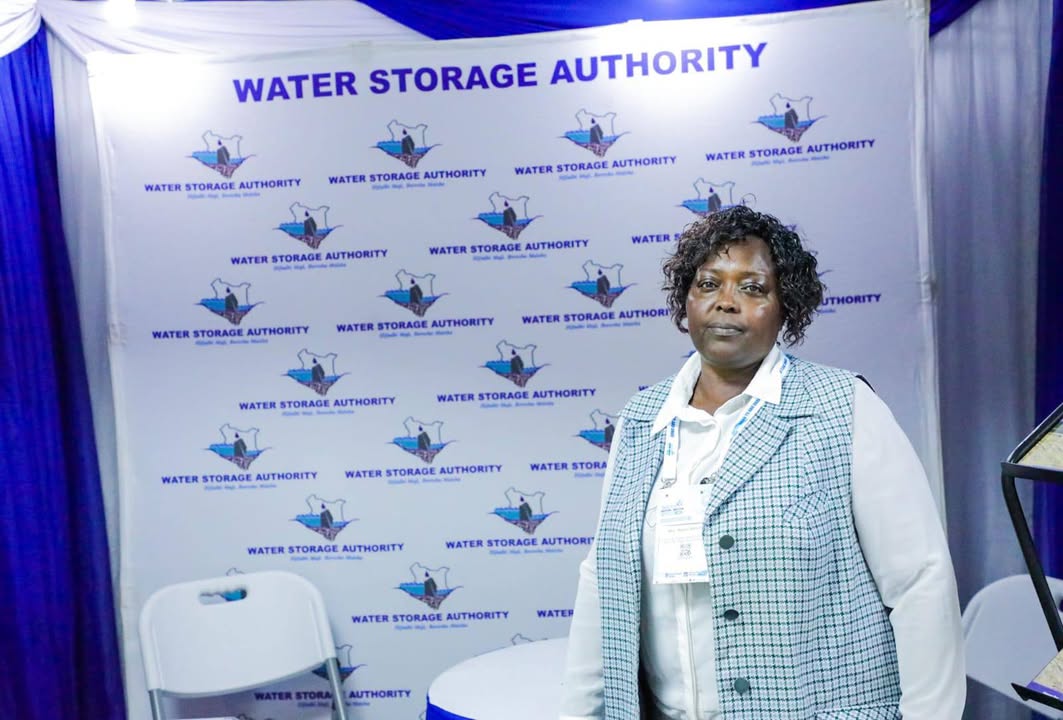
KENYA WATER, SANITATION & IRRIGATION UN PRE-CONFERENCE & EXPO 2026
National Water Harvesting & Storage Authority
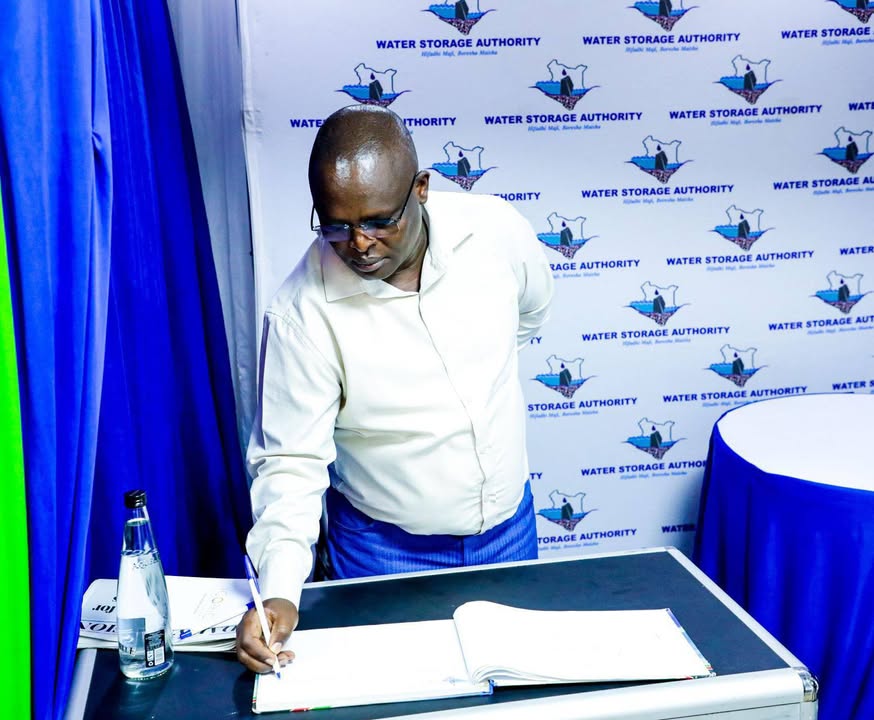
KENYA WATER, SANITATION & IRRIGATION UN PRE-CONFERENCE & EXPO 2026 The National Water Harvesting & Storage Authority (NWHSA) recognises the importance of strategic partnerships, sustainable